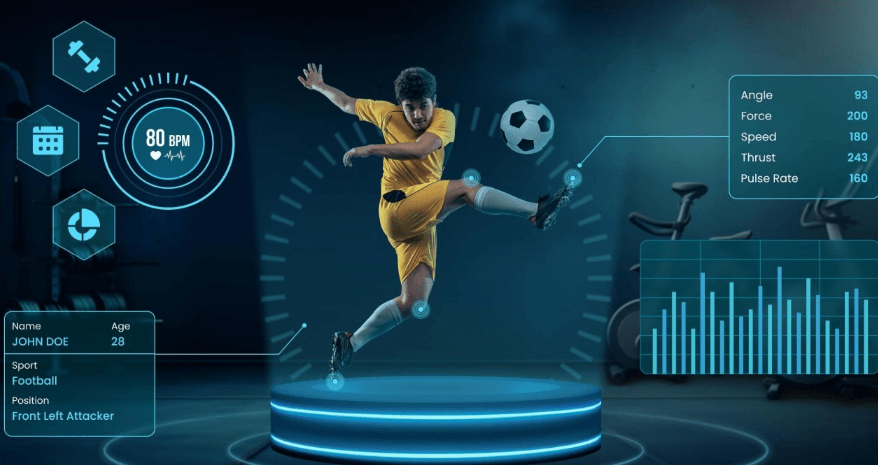
Before now, the sports craftery would only find out what was best about a game if they were able to watch the game for a second time, in a post-match radio or TV broadcast, or in a report afterward. That is no longer the case. Goals, wickets, overtakes, saves, dunks, reactions and the like are now brought to users much faster with the use of short clips, automated highlight reels, live alerts and personalized feeds. The outcome is a new expectation: digital content must be available quickly, relevant and easily actionable.
This expectation now reaches beyond sports media. Instant entertainment platforms face the same pressure to offer short paths, clear screens, and fast access. Users comparing how quick entertainment sessions are structured can study this website to see why category clarity, mobile speed, and simple navigation shape the first user decision.
AI Highlights Made Fan Attention More Selective
AI-powered sports highlights changed the way many fans approach live action. A full match still matters, but short moments often become the first point of contact. A fan may see the winning goal before reading the match report. A cricket user may watch a wicket clip before checking the full scorecard. A basketball fan may follow a dunk, block, or final shot through a short video before opening a longer analysis.
This creates a more selective form of attention. Users do not always want the whole story at once. They want the moment that explains why the story matters. The same behavior affects other digital products. People open apps with less patience for long menus, unclear labels, or slow loading pages. They expect the product to bring the relevant action closer.
Instant Entertainment Learned From Short Form Sports
Instant entertainment shares a similar problem with modern sports media: the user must understand the screen quickly. If the first view is confusing, the session loses momentum. A fast platform cannot depend on long exploration before the user finds a clear direction.
Sports apps have trained people to scan information in seconds. Live score blocks, short alerts, match timelines, and player cards all support fast reading. Instant entertainment platforms can use the same logic by making categories clear, actions visible, and movement between screens direct.
The goal is not to fill the screen with constant prompts. A stronger approach is to reduce the distance between curiosity and choice. When users can understand the available options quickly, a short session feels smoother and more controlled.
Personalization Changed the Standard for Relevance
AI highlights often work by identifying patterns in user interest. A fan may see more clips from a favorite team, league, player, or type of moment. Over time, this teaches users to expect digital products to understand context. They become less patient with generic screens that treat every visitor the same way.
Instant entertainment platforms can respond through cleaner personalization, but that does not mean every screen should feel overly automated. Relevant suggestions are useful when they remain easy to adjust. A returning user may want recent categories, saved preferences, or faster access to familiar sections. A new user may need broader labels and a more guided first step.
Helpful fast platforms often include:
- Clear categories that can be understood at a glance.
- Mobile-first layouts with readable buttons.
- Recent activity sections for returning users.
- Simple search or filtering tools.
- Visible account and preference controls.
These details support speed without making the product feel rushed. They give users a path that matches the moment.
Algorithmic Speed Still Needs User Control
When it works, AI-generated content can make a strong impression, however, control is key to trust. Users are interested in relevant clips, recommendations and alerts, but also want control over content displayed on the screen. If the feed is not adjustable, it could become too tight or too hard.
It is of particular importance for sports highlights and instant entertainment. Users should easily be able to change preferences, manage notifications, reset recommendations, and find account settings. If the controls are visible, personalisation is more of a helpful feature rather than a hidden process.
The speed should be accompanied by a clear feedback. For users who tap on a category, change a setting, or follow a suggestion, the next step should be immediately apparent. The faster the products are, the more they lose their strength if the users have to guess what occurred after an action.
Cleaner Screens Are Becoming More Valuable
AI highlights have made users comfortable with short, focused content. They have also made clutter more noticeable. A fan watching a highlight does not want unrelated distractions covering the moment. A user opening an instant entertainment platform has a similar expectation. The screen should help the decision, not compete with it.
Clean design does not mean empty design. It means the main action is easy to recognize. Secondary options should remain available, but they should not interrupt the first choice. This is especially important on mobile, where screen space is limited and sessions are often brief.
A well-organized instant platform respects attention. It gives users a clear start, a direct route through categories, and enough account visibility to feel in control. That kind of structure can make fast entertainment feel safer, calmer, and easier to return to.
The Next Step Is Faster but Smarter
AI sports highlights pushed digital habits toward speed, relevance, and short decision cycles. Instant entertainment now operates in the same user environment. People expect screens that load quickly, explain options clearly, and adapt without becoming intrusive.
The future of fast digital entertainment will depend on balance. Platforms need quick access, but they also need readable layouts, adjustable recommendations, and visible controls. More content will not solve a confusing first screen. Better organization will.
The strongest instant experiences will feel close to a good sports highlight: immediate, focused, easy to understand, and simple to leave or continue. When users can see the right option quickly and stay in control, instant entertainment fits naturally into modern digital behavior.