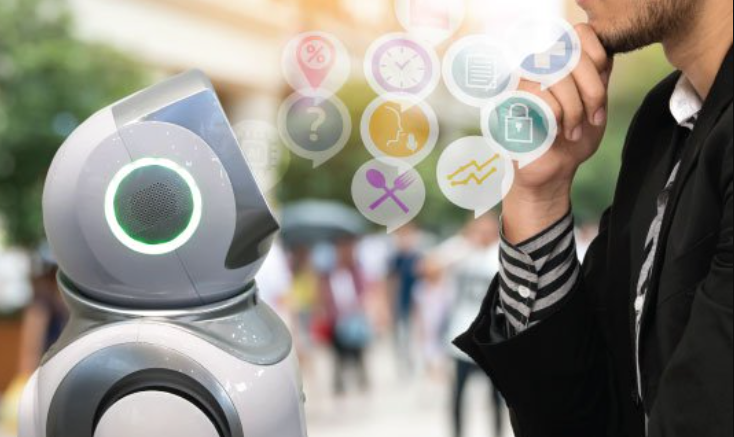
Smart technology increasingly relies on understanding human behavior to enhance its functionality. Through machine learning algorithms, devices analyze user interactions and preferences. This adaptive process leads to personalized experiences, influenced by emotional intelligence, that foster stronger connections. As user feedback plays a critical role in refining these systems, the evolution of smart technology raises important questions about its future capabilities and the implications for human-technology relationships. What advancements lie ahead in this dynamic interplay?
Why Smart Technology Needs to Understand Us
As society increasingly integrates smart technology into daily life, understanding human behavior becomes essential for these systems to function effectively.
Successful human interaction relies on emotional intelligence, enabling technology to respond appropriately to users’ needs and feelings.
See also: How Smart Systems Optimize Resources
How Machine Learning Makes Technology Personal
Machine learning significantly enhances the personalization of technology by analyzing user data and patterns to tailor experiences accordingly.
This process creates adaptive interfaces that adjust to individual preferences, resulting in personalized experiences. By continuously learning from user interactions, technology becomes more intuitive, allowing for greater autonomy and satisfaction.
Ultimately, this transformation fosters a more engaging relationship between users and their devices.
User Feedback’s Role in Smart Technology
User feedback serves as a crucial component in the development and refinement of smart technology. By analyzing user preferences, developers can create more effective solutions that resonate with consumers.
Feedback loops enhance this process, allowing systems to adapt and evolve based on real-world interactions. Consequently, user input drives innovation, ensuring that technology aligns with individual needs and fosters a sense of autonomy.
Future Trends in Human-Technology Learning
The evolution of user feedback mechanisms has paved the way for innovative approaches to human-technology learning, shaping how individuals interact with smart systems.
Future trends will increasingly leverage adaptive algorithms to analyze behavioral patterns, enabling systems to personalize experiences.
This dynamic relationship promises enhanced user autonomy, allowing individuals to engage with technology in ways that respect their preferences and promote freedom of choice.
Conclusion
In conclusion, the evolution of smart technology hinges on its ability to comprehend human behavior through machine learning and emotional intelligence. This symbiotic relationship not only personalizes user experiences but also raises questions about the ethical implications of such adaptive systems. As technology progresses, the theory that empathetic interactions can enhance user satisfaction and foster loyalty becomes increasingly evident. By understanding these dynamics, developers can create more intuitive devices that resonate deeply with users, shaping the future of human-technology interaction.