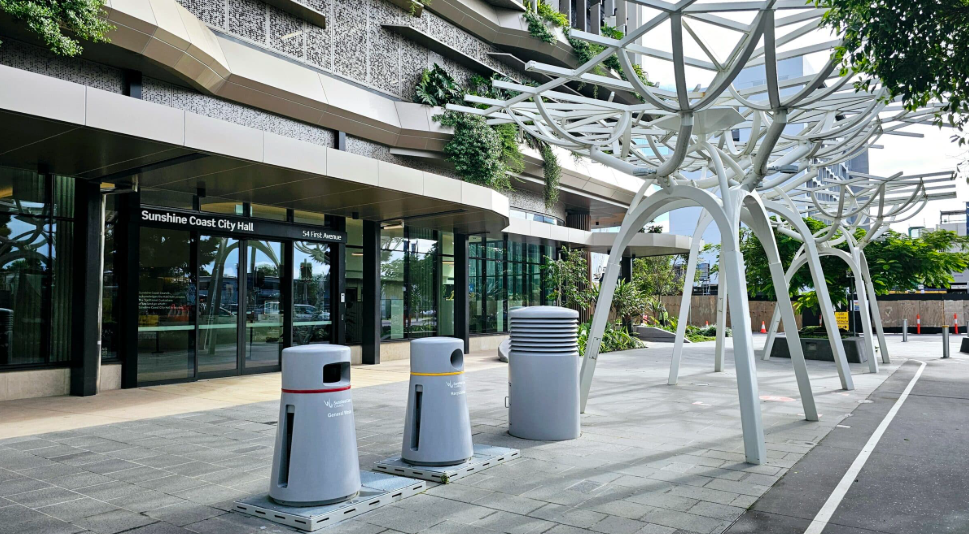
Smart infrastructure presents a promising approach to addressing waste management challenges in urban environments. By integrating technologies such as IoT sensors, cities can monitor resource usage and optimize waste collection routes effectively. This not only reduces unnecessary trips but also enhances energy efficiency in buildings. However, the potential impact of community engagement and education in promoting sustainable practices remains an area worth exploring further. What role do citizens play in this evolving landscape?
Current Waste Management Challenges and Solutions
As urban populations continue to grow, the challenges associated with waste management become increasingly complex. Effective waste segregation is essential for optimizing recycling initiatives, yet many cities struggle with inadequate public awareness and participation.
Addressing these challenges requires innovative strategies that encourage community involvement and education, ultimately fostering a culture of sustainability. Such efforts can empower citizens and promote responsible waste management practices.
See also: How Smart Contracts Execute Automatically
Smart Waste Collection Systems: A Solution for Waste Reduction
While traditional waste collection methods often lead to inefficiencies and increased operational costs, smart waste collection systems present a transformative solution for urban waste management.
Utilizing smart bins equipped with sensors, these systems enable real-time monitoring of waste levels. This data facilitates route optimization, reducing fuel consumption and emissions while ensuring timely pickups.
Ultimately, fostering a cleaner, more sustainable urban environment for communities seeking greater autonomy.
How IoT Enhances Resource Management in Smart Infrastructure
Smart waste collection systems exemplify the broader potential of the Internet of Things (IoT) in optimizing urban resource management.
By integrating IoT sensors, cities can achieve resource optimization through real-time monitoring and data analytics. This technology enables precise tracking of waste levels, reducing unnecessary collection trips and minimizing environmental impact.
Consequently, municipalities can enhance efficiency while promoting sustainable practices and empowering communities to engage actively in resource conservation.
Energy Efficiency in Smart Infrastructure: Cutting Waste in Buildings
Energy efficiency in buildings emerges as a critical component of smart infrastructure, significantly reducing waste and optimizing resource consumption.
Through advanced building automation systems, energy conservation becomes more achievable, allowing real-time monitoring and management of energy use. This technology empowers occupants, fostering a sense of freedom while promoting sustainable practices.
Ultimately, smart infrastructure transforms how energy is utilized, enhancing both efficiency and environmental responsibility.
Conclusion
In a world where overflowing trash bins are the crown jewels of urban landscapes, smart infrastructure emerges as a reluctant knight in shining armor, wielding IoT sensors like magic wands. Instead of letting waste pile up like forgotten New Year’s resolutions, these systems promise to streamline collection routes and zap energy inefficiencies into oblivion. As communities embrace this tech-driven revolution, one can only hope that their newfound engagement will not simply turn them into overzealous recycling vigilantes, hoarding compost like gold.