Everyone talks about what goes inside a Request for Quotation – the line items, the specs, the delivery requirements. Almost nobody talks about the email that wraps around it.
That’s a problem, because the email is the first thing your vendor sees. It sets the tone before they open a single attachment. It signals whether you’re an organized buyer worth quoting for or someone who’s going to be a headache to work with. In competitive supply chains, where good vendors have more options than they used to, that first impression does more work than most procurement teams realize.
This article is about that email – what it needs to do, how to structure it, and why most RFQ communications quietly sabotage the process before it even begins.
Why the “Wrapping Email” Gets Ignored
Here’s how most RFQ emails get written: the procurement team spends days on the specification document, gets it approved, attaches it to a new email, types something like “Please find attached our RFQ – kindly respond by [date]”, and hits send.
Done. Moving on.
The assumption is that the document does the work. The email is just a delivery mechanism.
This assumption is wrong for a few compounding reasons.
First, vendors receive a lot of RFQs. Across every category they supply, they’re constantly triaging requests – deciding which ones to prioritize, which to respond to at all, and which to decline without reply. The email is what they use to make that triage decision. A thin, generic message signals a thin, generic engagement. A clear, professional email that respects their time signals a buyer worth working with.
Second, vendors often have questions before they can accurately quote. The email is where you either invite that dialogue or inadvertently shut it down. An email with no contact information, no Q&A window, and no stated process leaves vendors to guess – and guessing leads to padded quotes that cover the uncertainty.
Third, the email is part of your paper trail. For anything with audit requirements – public sector procurement, regulated industries, enterprise supply chains – how you communicated matters. A documented, professional email thread is an asset. A chain of informal, incomplete messages is a liability.
See also: 7 Affordable Speech Apps for Kids, Ranked by What You Actually Get
What an RFQ Email Actually Needs to Do
Strip away the formality and an RFQ email has four jobs:
Orient the vendor immediately. They should know within two sentences who you are, what you’re buying, and why you’re contacting them specifically. “We are reaching out to you as a qualified supplier in [category]” tells them this is targeted, not a mass blast (even if it is – more on that later).
Frame the scope without replacing the document. The attached specification should carry the detailed load. The email’s job is to give a plain-language summary of what’s being requested – product or service type, approximate volume or scale, and key requirements. This lets vendors do a quick fit-check before investing time in the full document.
Communicate the process clearly. What’s the deadline? Is there a Q&A period? Where do they submit? What happens after? Vendors who don’t know what the process looks like are vendors who worry that the process is chaotic. Spelling it out – even briefly – signals that you’ve thought this through.
Make it easy to respond or decline. A vendor who knows they can’t quote this cycle competitively but might next time is a vendor worth keeping warm. Give them a clear path to respond either way. A simple “if you are unable to participate, please let us know so we can update our supplier list” goes a long way toward maintaining the relationship.
The Structure That Works
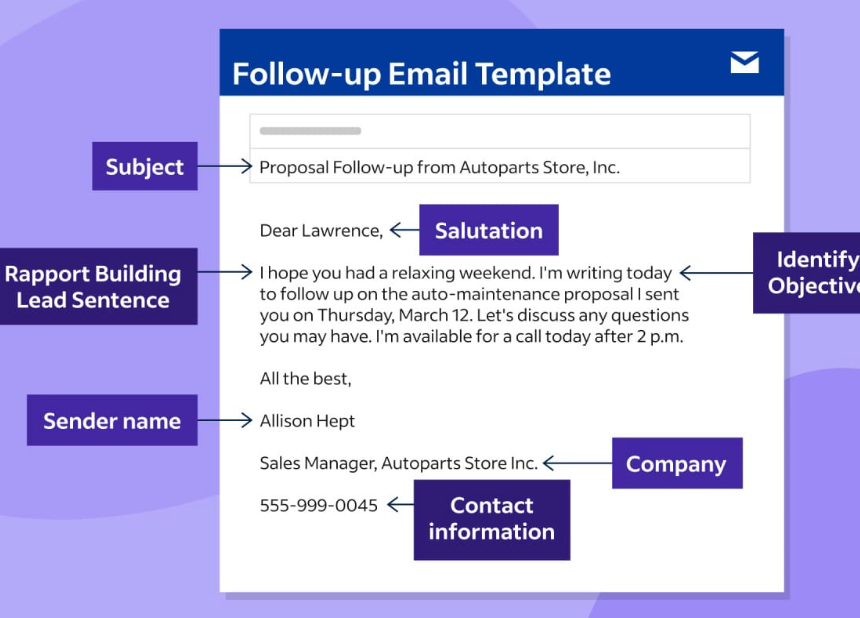
Understanding the right rfq email format isn’t about memorizing a rigid template – it’s about understanding why each component exists and what it’s doing for the reader.
Here’s the anatomy of an RFQ email that consistently produces good vendor responses:
Subject line. Specific and scannable. Include the RFQ number or identifier, the product/service category, and the deadline. “RFQ-2024-087 | Industrial Fasteners | Response Due June 30” gives vendors everything they need to file, prioritize, and find the email later.
Opening paragraph. One to two sentences. Who you are, what you’re sourcing, and why you’re reaching out to this vendor. Keep it professional but human – you’re not a procurement robot, and neither are they.
Scope summary. Three to five sentences covering what’s being requested. Reference the attachment for details, but give the vendor enough to assess fit without opening the document. Include approximate quantities, delivery location, and any critical technical requirements.
Process and timeline. A short bulleted list works well here: RFQ release date, Q&A submission deadline, quote due date, expected award date. Four lines. Vendors can see the shape of the process immediately.
Submission instructions. How and where to submit. File format requirements. Who to address it to. Whether email or portal submission is expected.
Contact information. A named contact – not a generic procurement inbox – with email and phone. Vendors need to know a human they can reach if something is unclear.
Closing. Brief. Professional. Optional: one sentence acknowledging their time and encouraging them to reach out with questions.
The Mistakes That Undercut Otherwise Solid RFQs
The structure above is straightforward. The mistakes that undermine it are equally predictable.
Using a generic salutation in targeted outreach. “Dear Supplier” in an email you’re sending to a vendor you’ve worked with before is a small thing that reads as careless. Use their name. It takes thirty seconds and signals that this isn’t a mass copy-paste exercise.
Attaching the spec with no accompanying summary. Some procurement teams send a single email that says “Please see attached” and nothing else. The vendor opens a 40-page specification with no context, no process information, and no point of contact. Even if the specification is excellent, the email has already made a poor impression.
Unclear or missing deadlines. “Please respond at your earliest convenience” is not a deadline. It communicates that you don’t have a real timeline, which suggests you don’t have a real decision process, which tells the vendor this might not go anywhere. Be specific. Give a date and a time.
Burying the Q&A process. Vendors will have questions. If your email doesn’t explain how questions get submitted and answered, you’ll receive them in fragments – some to the procurement inbox, some to the category manager’s personal email, some to accounts payable by mistake. State the process once, clearly, at the top.
Not inviting non-participation. If a vendor can’t quote, you want to know that before the deadline, not on the deadline. Add a line asking them to notify you if they’re unable to participate. You’ll get cleaner response data and preserve the relationship.
Tailoring by Vendor Relationship
One thing that generic templates miss is that RFQ emails aren’t one-size-fits-all – the appropriate tone and content vary based on your existing relationship with the vendor.
New vendors need more context. They don’t know your organization, your procurement process, or your expectations. Your email should briefly introduce your company, explain why you’re expanding your supplier base in this category, and give them a reason to invest time in the response.
Established vendors benefit from a lighter touch that acknowledges the relationship. “As a valued supplier in our [category] program, we’re reaching out for your participation in our upcoming RFQ cycle” is warmer than a cold outreach – and it’s accurate. Don’t send your best suppliers the same boilerplate you’d send an unknown vendor.
Sole-source situations (where you’re required to run a competitive process but have a strong preference) require particular care. Be scrupulously fair in the email – same information, same deadline, same process – while ensuring the specification accurately reflects the genuine requirements of the engagement.
When to Use a Portal vs. Email
Increasingly, organizations route RFQ processes through procurement portals rather than email. If that’s your situation, the principles above still apply – the communication that accompanies the portal invitation carries the same weight as a standalone email.
Don’t assume the portal does the communication work. A vendor who receives a portal notification with no context, no scope summary, and no process explanation is a vendor who may not log in. Send a companion email that does the framing work and directs them to the portal for submission.
For teams looking to build or refine their outreach approach, a well-researched guide on rfq email format can help establish the standard your organization applies consistently – not just for individual RFQs, but as a repeatable process across categories and sourcing cycles.
The Compounding Returns of Getting This Right
Here’s what nobody tells you about RFQ email quality: the returns compound.
Vendors talk. Procurement is a relationship business, even when it doesn’t feel like one. A buyer known for clear, professional, respectful RFQ communications gets better vendor engagement over time. Vendors prioritize their responses. They flag your RFQs to technical specialists who might otherwise not be looped in. They call out scope gaps before you hit a problem. They submit competitive pricing. After all, they want the business, not padded quotes because they’re not sure what they’re getting into.
The inverse is also true. A buyer with a reputation for chaotic, last-minute, low-information RFQ processes gets compliance responses at best – submissions that check the box without genuine competitive effort.
Your RFQ email is a small document. But it’s the first signal of what working with you looks like. Make it a good one.